
Heart Health Nutrition for Men
Discover the essential nutritional strategies to support your cardiovascular wellness and live a stronger, healthier life
The information on this site is for educational purposes only and does not constitute medical advice. Always consult a qualified healthcare professional before making health decisions.
Key Nutritional Insights for Heart Health
of heart wellness is determined by dietary choices and lifestyle habits
recommended daily fiber intake to support healthy cholesterol levels
servings of omega-rich fish weekly for optimal cardiovascular function
minutes daily of moderate activity combined with smart nutrition choices
Why Nutrition Matters for Your Heart
Proper nutrition is the foundation of cardiovascular wellness. Every meal you consume directly impacts your blood vessel health, inflammation levels, and overall heart function. Men specifically benefit from targeted nutritional approaches that address unique cardiovascular risk factors and metabolic needs.
A heart-healthy diet rich in antioxidants, minerals, and healthy fats helps maintain optimal blood pressure, supports healthy cholesterol ratios, and reduces oxidative stress throughout your cardiovascular system. When combined with consistent lifestyle choices, strategic nutrition becomes your most powerful tool for long-term heart health.
The science is clear: men who prioritize nutrient-dense foods experience better cardiovascular markers, improved energy levels, and enhanced overall vitality. Understanding which nutrients matter most and how to incorporate them into your daily meals is the first step toward sustainable heart wellness.
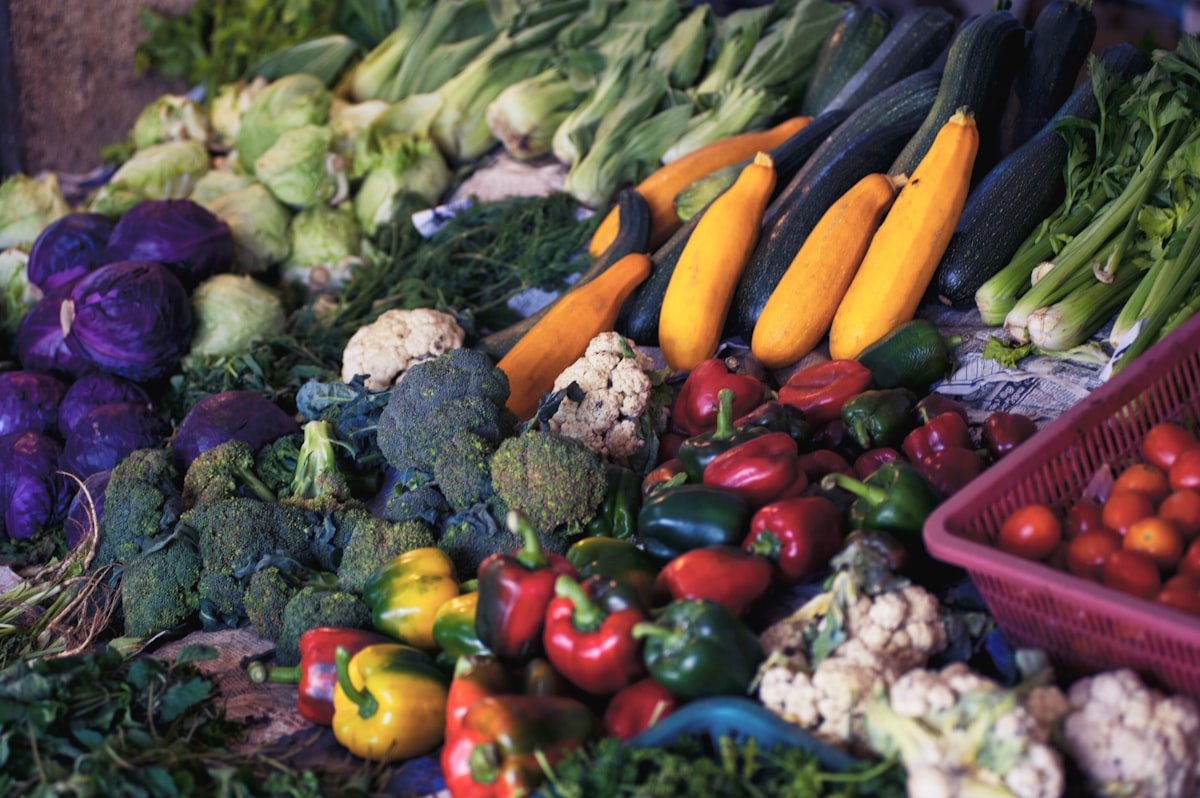
Top Nutritional Benefits for Men's Hearts
Omega-3 Fatty Acids Support Cardiovascular Function
Omega-3s from fatty fish, flaxseeds, and walnuts help reduce inflammation, support healthy blood vessel function, and promote optimal circulation. Regular consumption of these essential fats contributes to lower triglyceride levels and improved heart rhythm stability.
Antioxidants Combat Cellular Oxidative Stress
Vitamins C, E, and minerals like selenium found in colorful vegetables, berries, and nuts protect your cardiovascular cells from free radical damage. These powerful compounds help preserve blood vessel elasticity and support natural inflammatory balance within your system.
Dietary Fiber Helps Maintain Healthy Cholesterol Levels
Soluble fiber from oats, beans, and vegetables actively supports your body's natural cholesterol management processes. A diet rich in fiber promotes healthy lipid profiles and contributes to stable blood pressure through multiple physiological mechanisms.
Minerals Like Potassium and Magnesium Support Blood Pressure
Potassium-rich foods and magnesium sources work synergistically to support healthy blood pressure regulation and vessel elasticity. These essential minerals are crucial for proper heart rhythm and electrical function, making them non-negotiable in a cardiovascular-focused diet.
Polyphenols Reduce Cardiovascular Inflammation
Found abundantly in dark chocolate, green tea, and red grapes, polyphenols are powerful plant compounds that help reduce systemic inflammation. Regular consumption supports healthy endothelial function and promotes the natural anti-inflammatory processes your body relies upon.
Lean Proteins Maintain Muscle While Supporting Heart Health
High-quality protein from fish, poultry, legumes, and nuts supports lean muscle preservation without excess saturated fats. Adequate protein intake is essential for men to maintain metabolic health while following a heart-conscious nutritional approach.
Your 4-Step Journey to Better Heart Health
Assess Your Current Diet
Begin by evaluating what you currently eat. Keep a food journal for one week to understand your baseline intake of healthy fats, fiber, and key nutrients. This awareness reveals exactly where to focus your nutritional improvements.
Introduce Heart-Healthy Foods Gradually
Rather than overhaul everything at once, gradually incorporate more fish, colorful vegetables, whole grains, and nuts into your meals. Small, sustainable changes compound over time and are easier to maintain as permanent lifestyle shifts.
Optimize Your Meal Planning and Preparation
Develop a weekly meal plan that centers on cardiovascular-supporting foods. Prepare components in advance—cooked whole grains, pre-cut vegetables, marinated lean proteins—to make healthy choices convenient and automatic during busy weekdays.
Track Progress and Adjust Continuously
Monitor how you feel—energy levels, mood, sleep quality—as key indicators of nutritional success. Regular check-ins with your approach allow you to refine your strategy based on what works best for your individual body and lifestyle.
Essential Nutrients for Cardiovascular Wellness
Key Nutrients You Need
- • Omega-3 Polyunsaturated Fats: Support healthy blood vessel function and reduce inflammation markers
- • Dietary Fiber (Soluble & Insoluble): Helps maintain healthy cholesterol ratios and supports digestive health
- • Potassium: Essential for blood pressure regulation and heart rhythm stability
- • Magnesium: Supports healthy blood vessel function and muscle relaxation
- • Folate & B Vitamins: Help maintain healthy homocysteine levels and energy production
- • Antioxidants (Vitamins C, E, Selenium): Protect cardiovascular cells from oxidative damage
Foods to Minimize
- • Excess Saturated Fats: Found in fatty cuts of meat, full-fat dairy, and processed foods—can elevate cholesterol
- • Trans Fats: Artificially created fats in processed snacks, pastries, and fried foods—highly inflammatory
- • Excess Sodium: High salt intake from processed foods can contribute to elevated blood pressure
- • Added Sugars: Refined sugars and sweetened beverages can increase inflammation and metabolic strain
- • Heavily Processed Foods: Often contain unhealthy fat combinations, excess sodium, and chemical additives
- • Excessive Alcohol: Can increase blood pressure and place stress on cardiovascular function
Sample Heart-Healthy Daily Eating Pattern
What A Typical Day Looks Like
Breakfast
Steel-cut oatmeal topped with fresh berries, ground flaxseed, sliced almonds, and cinnamon. A small glass of fresh orange juice provides vitamin C and antioxidants to start your day.
Mid-Morning Snack
A handful of raw walnuts and an apple. This combination delivers both heart-healthy fats and natural fiber to maintain stable energy and sustained satiety between meals.
Lunch
Grilled salmon fillet with roasted sweet potato and steamed broccoli. Add a side salad dressed with extra virgin olive oil and vinegar for phytochemicals and minerals that support vascular health.
Afternoon Snack
Greek yogurt with a drizzle of raw honey and a small handful of berries. This provides probiotics, protein, and additional antioxidants without excess sugar.
Dinner
Lean chicken breast marinated in herbs and lemon, served with quinoa and roasted Brussels sprouts. Finish with a cup of green tea rich in heart-protective polyphenols.
Why This Pattern Works
Balanced Macronutrients
Each meal contains a healthy fat source, quality protein, and complex carbohydrates to maintain stable blood sugar and sustained energy throughout the day.
Nutrient Density
Every food choice is selected for its cardiovascular benefits—omega-3s, fiber, minerals, antioxidants—ensuring maximum health impact with every bite.
Practical Sustainability
These are real, whole foods that are widely available, relatively affordable, and enjoyable to eat. This pattern becomes a lifestyle rather than a restrictive diet.
Consistent Energy
Regular meals with balanced nutrition prevent energy crashes and cravings, making it easier to maintain consistent healthy choices over weeks and months.
Frequently Asked Questions
Improvements happen gradually and in stages. Within 2-3 weeks of consistent healthy eating, most men notice increased energy and improved sleep quality. Blood pressure improvements typically appear within 4-6 weeks. Cholesterol levels and more sophisticated cardiovascular markers may take 8-12 weeks to show significant changes. However, your body begins making beneficial cellular changes within hours of eating your first heart-healthy meal—these improvements simply take time to accumulate and manifest as measurable results.
Absolutely. Heart-healthy eating doesn't require culinary expertise. Simple grilling, baking, or steaming methods preserve nutrients while requiring minimal technique. Many cardiovascular-supporting foods can be prepared extremely simply: a salmon fillet can be baked with lemon and herbs in 15 minutes, roasted vegetables require just olive oil and salt, and salads are naturally quick to assemble. Focus on quality ingredients and simple preparations rather than complex recipes. Once you master basic cooking techniques, you'll have the foundation to prepare nutritious meals for life.
Heart-healthy eating can be budget-friendly when you shop strategically. Frozen fish and vegetables are often less expensive than fresh and retain their nutrients beautifully. Dried beans and lentils are protein powerhouses that cost pennies per serving. Buy grains in bulk and seasonal produce at farmers markets. Shop sales and plan meals around what's available at good prices. The key is avoiding processed convenience foods, which are expensive and offer minimal nutritional value. Smart shopping actually makes cardiovascular nutrition more affordable than maintaining a diet of processed convenience items.
Heart-healthy nutrition is flexible enough to work around most preferences and allergies. If you dislike fish, you can get omega-3s from walnuts, flaxseeds, and chia seeds. Allergic to nuts? Sunflower seeds, pumpkin seeds, and tahini provide similar benefits. Vegetarian? Legumes, whole grains, nuts, and seeds provide excellent protein and fiber. The core principle remains: whole foods rich in fiber, healthy fats, and antioxidants. Work with the foods you enjoy eating, and you'll maintain these habits long-term rather than forcing yourself through foods you dislike.
Whole foods should always be your primary source of nutrients—they contain complex combinations of compounds that work synergistically in ways supplements cannot replicate. That said, supplementation may be helpful if you have specific dietary restrictions or nutrient gaps. Fish oil supplements can help if you don't eat fish regularly. Magnesium or potassium supplements might be appropriate if whole food intake is insufficient. However, food-first approach is always superior. Use any supplements as a complement to, not a replacement for, consistently eating nutrient-dense whole foods.
Restaurant dining requires a few simple strategies. Learn to read menus and recognize heart-healthy options—grilled fish, lean proteins, vegetable sides, olive oil-based dressings. Don't hesitate to request modifications: ask for dressings on the side, vegetables steamed without butter, sauces prepared with less oil. When traveling, stay in accommodations with kitchen access when possible so you can prepare some meals. Pack portable healthy snacks like nuts, dried fruit, or seeds to prevent relying on airport/convenience store options. Most importantly, remember that perfection isn't necessary—consistent good choices matter far more than occasional deviations.
Success Stories: Men Who Transformed Their Heart Health
"I started following heart-focused nutrition principles three months ago, and my energy levels have skyrocketed. My doctor was amazed at how my cholesterol improved without any medications. The simple approach of focusing on whole foods made this sustainable, not another failed diet."
Adi Putra
Surabaya
"Understanding which nutrients actually matter for heart health took the confusion out of eating well. I'm not restricting myself—I'm just making smarter choices with delicious whole foods. My blood pressure is now completely stable, and I genuinely feel healthier every single day."
Budi Hartono
Jakarta
"As a busy professional, I needed nutrition advice that actually fits into my lifestyle. Musclenutritips showed me how to fuel my workouts and recovery without spending hours in the kitchen. My energy levels are through the roof, and I've finally built the physique I've been working toward."
Maya Patel
Bangalore
Ready to Transform Your Health?
Get personalized nutrition guidance that works with your lifestyle, not against it. Join thousands who've already discovered the power of smart nutrition choices.
Frequently Asked Questions
Do I need to count calories to see results?
How quickly will I see results?
Can I still enjoy my favorite foods?
Is personalized nutrition worth the investment?
Do you work with people who have dietary restrictions?
Musclenutritips
Evidence-based nutrition guidance for sustainable health and performance.
Quick Links
Resources
© 2024 Musclenutritips. All rights reserved.